
What Is a Vitamin D Test?
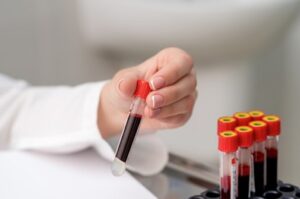
A vitamin D test measures the amount of vitamin D in your blood. Doctors often use this test to check if you have enough vitamin D for good health. Since vitamin D helps your body use calcium, it is important for strong bones. Many people get this test if they have signs of low vitamin D. For example, you might feel tired or have weak muscles. The vitamin D test is simple and gives helpful information about your health.
Why Is Vitamin D Important for Bone Health?
Vitamin D plays a key role in keeping bones strong. It helps your body absorb calcium from food. Without enough vitamin D, bones can become weak or soft. For children, this can cause a condition called rickets. In adults, it may lead to bone pain or a disease called osteomalacia. Because of this, doctors often check vitamin D levels in people with bone problems. Healthy bones need both calcium and vitamin D to stay strong.
How Does Vitamin D Affect Overall Health?
Besides bone health, vitamin D supports many body functions. For instance, it helps your muscles move and keeps your immune system working well. Some studies suggest that low vitamin D may raise the risk of infections. In addition, vitamin D may help control mood and lower the chance of some chronic diseases. While more research is needed, getting enough vitamin D is important for your whole body.
Who Should Get a Vitamin D Test?
Not everyone needs a vitamin D test. However, some people are at higher risk for low vitamin D. You may need a test if you:
For these groups, a vitamin D test can help find problems early.
How Is the Vitamin D Test Performed?
The vitamin D test is quick and simple. First, a healthcare worker takes a small blood sample from your arm. Next, the sample goes to a lab for testing. After a few days, your doctor will share the results with you. Usually, you do not need to fast or prepare in any special way. Because the test is safe, most people have no side effects.
Understanding Your Vitamin D Test Results
Vitamin D levels are measured in nanograms per milliliter (ng/mL). Here is what the results usually mean:
However, your doctor will explain what your result means for you. Sometimes, your needs may be different based on your age or health.
Causes of Vitamin D Deficiency
Many things can cause low vitamin D. For example, not getting enough sunlight is a common reason. Your skin makes vitamin D when exposed to sunlight. Also, certain foods have only small amounts of vitamin D. In addition, some health problems can make it hard for your body to use vitamin D. Older adults and people with darker skin are also at higher risk. Because of these reasons, vitamin D deficiency is common in many places.
Treatment and Management of Low Vitamin D Levels
If you have low vitamin D, your doctor may suggest:
Sometimes, you may need a higher dose of supplements for a short time. Your doctor will guide you on the right amount. Regular follow-up tests may be needed to check your progress.
Tips for Maintaining Healthy Vitamin D Levels
There are simple ways to keep your vitamin D at a healthy level. First, try to spend some time outside each day. Even 10 to 30 minutes of sunlight can help. Next, eat foods that contain vitamin D. For example, salmon, tuna, eggs, and fortified cereals are good choices. When needed, your doctor may recommend a vitamin D supplement. Always follow your doctor’s advice on how much to take.
Prevention of Vitamin D Deficiency
Preventing vitamin D deficiency is easier than treating it. For most people, a mix of sunlight, diet, and supplements works well. However, some people need extra care. For example, older adults or those with certain health problems may need regular tests. Because vitamin D is important for bone health and more, it is good to talk with your doctor about your needs. Simple steps can help you avoid problems linked to low vitamin D.