What Is a Follicular Study?
Many couples want to know the best time for pregnancy. A follicular study can help. This test uses ultrasound to track the growth of tiny sacs in the ovaries called follicles. These follicles hold eggs. Doctors use this method to find out when your body is ready to release an egg. As a result, it helps with fertility planning and increases the chance of conception. Follicular monitoring for pregnancy is safe and common in many clinics.
How Does Ultrasound Track Ovulation?
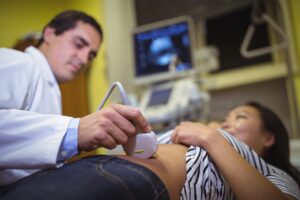
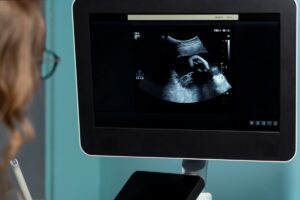
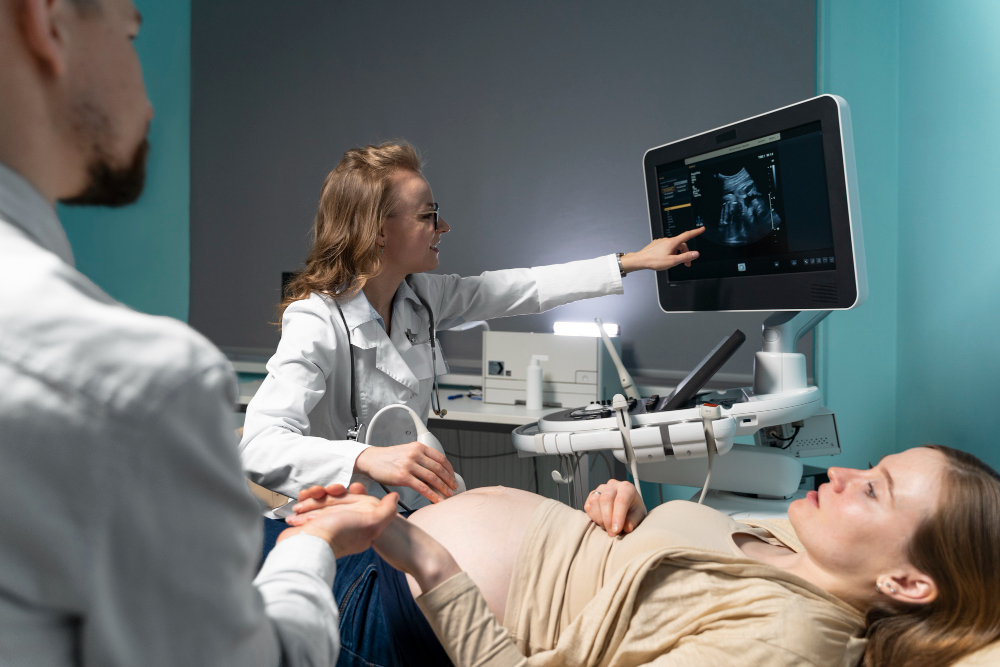
Ultrasound for ovulation tracking is simple. Doctors use a small device called a probe. They place it on your lower belly or inside the vagina. This device sends sound waves into your body. The waves bounce back and create pictures of your ovaries and follicles. With these images, doctors can see how the follicles grow. When a follicle gets big enough, it means your body is close to ovulation. Therefore, ultrasound helps doctors predict the best time for trying to get pregnant.
Why Is Follicular Study Important for Fertility Planning?
Fertility planning with follicular study offers many benefits. First, it helps couples know the exact days when pregnancy is most likely. This is helpful for those who have trouble getting pregnant. Also, some women have irregular periods. In these cases, a follicular study can find the best time for conception. Moreover, doctors use this test to check if ovulation is happening at all. If not, they can suggest treatments. For couples in cities like Mumbai or Delhi, many clinics offer follicular study in their area.
Step-by-Step Process of a Follicular Study
The process is simple and safe. Here is what usually happens:
Sometimes, doctors use medicines to help follicles grow. They will explain this if needed.
What to Expect During the Procedure
Most women feel nervous before their first follicular study. However, the procedure is quick and painless. At each visit, you may have a transvaginal ultrasound. For this, you lie on a table. The doctor gently inserts a thin probe into the vagina. This gives clear pictures of the ovaries. Sometimes, a scan on the belly is used instead. You do not need to fast or take special steps before the test. After each scan, you can return to your normal activities right away.
Benefits and Limitations of Follicular Studies
Follicular monitoring for pregnancy has many benefits:
However, there are some limits:
Still, most couples find it helpful for planning pregnancy.