Introduction to Fatty Liver Screening
Fatty liver screening is a way to check for extra fat in your liver. This test helps doctors find liver problems early, even before you feel sick. Early detection is important because fatty liver disease often has no symptoms. With screening, you can start treatment sooner and lower your risk of serious health issues. Many people search for “fatty liver screening near me” to find local options. Today, screening is easy and safe for most people.
What is Fatty Liver Disease?
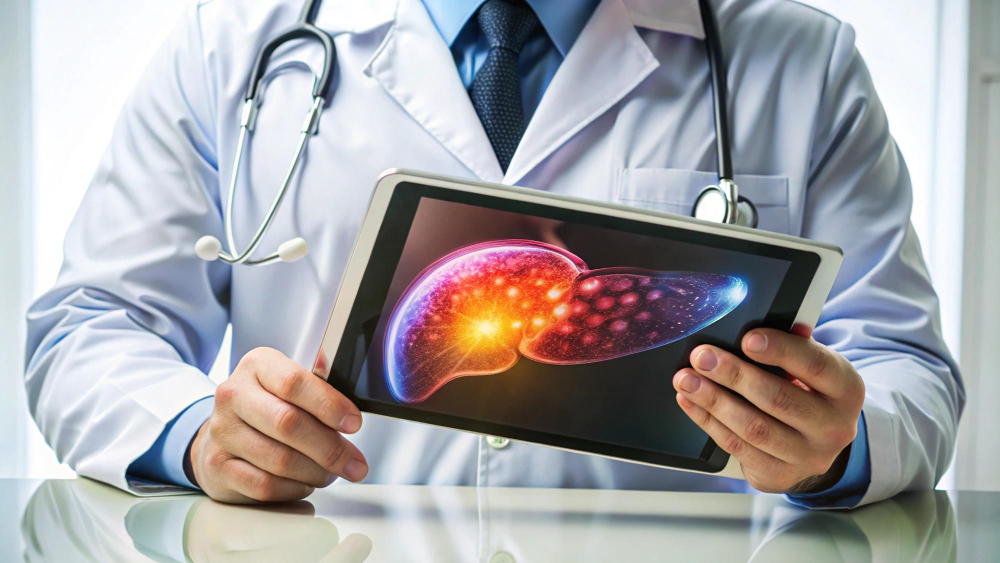
Fatty liver disease means there is too much fat in your liver cells. Sometimes, this happens because of heavy alcohol use. However, nonalcoholic fatty liver disease (NAFLD) is more common. NAFLD can affect people who do not drink much alcohol. According to the CDC, NAFLD is now the most common liver disease worldwide. Over time, fatty liver can lead to swelling, scarring, or even liver failure. But, with early screening, you can avoid many of these problems.
Why is Fatty Liver Screening Important?
Screening helps find fatty liver disease before it causes damage. For example, many people with NAFLD do not know they have it. Without screening, the disease can get worse without warning. Early detection lets you make changes to protect your liver. In addition, screening helps your doctor decide on the best care for you. The World Health Organization says early screening can prevent serious liver problems later on.
Who Should Get Screened for Fatty Liver?
Not everyone needs fatty liver screening. Still, some people have a higher risk. You should consider screening if you:
Moreover, people with metabolic syndrome or high blood pressure may also need screening. If you are unsure, ask your doctor if fatty liver screening is right for you.
Common Screening Methods in Radiology
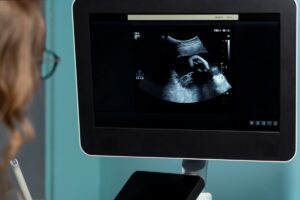
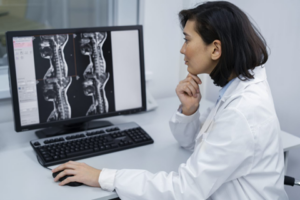
Doctors use several radiology tests for fatty liver. These tests are safe and painless. The most common methods include:
Sometimes, doctors may use special blood tests with these scans. Together, these tests help detect fatty liver early.
What to Expect During a Fatty Liver Screening
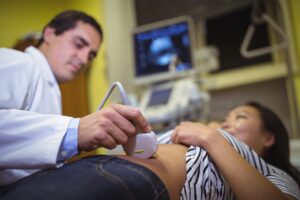
Screening for fatty liver is simple and quick. For example, if you have an ultrasound, you will lie on a table while a technician moves a small device over your belly. The test does not hurt, and you can go home right after. For a CT or MRI, you may need to lie still for a short time. Sometimes, you might need to hold your breath for a few seconds. Most people feel comfortable during these tests. If you have questions, your care team can explain each step.
How to Prepare for a Screening Test
Preparation depends on the type of test. For most ultrasounds, you may need to fast for a few hours before the test. This means you should not eat or drink anything, except water. For CT or MRI scans, your doctor will give you special instructions. Sometimes, you may need to avoid certain foods or medicines. Always follow your doctor’s advice to get the best results. If you are unsure, ask your care team what to do before your test.
Understanding Your Screening Results
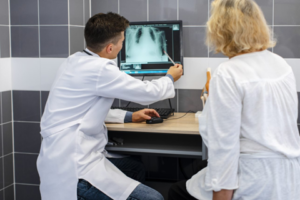
After the test, your doctor will review the images or blood tests. If the results show extra fat in your liver, your doctor will explain what this means. Sometimes, you may need more tests to check for liver damage. However, if your liver looks healthy, you may not need more tests right away. Your doctor will talk with you about next steps and answer your questions. Remember, early detection gives you more options for care.
Prevention and Lifestyle Tips After Screening
Even if your screening shows fatty liver, you can take steps to protect your health. For instance, making small changes can help your liver recover. Here are some tips:
In addition, regular check-ups help track your liver health over time. If you need support, ask your doctor or a dietitian for help. Early action can make a big difference in your long-term health.