
Introduction
A transvaginal ultrasound is a safe and common medical test. Doctors use it to look at a woman’s pelvic organs. This includes the uterus, ovaries, and cervix. The transvaginal ultrasound procedure uses sound waves to create clear images. Because it gives detailed pictures, it helps doctors find and treat many health issues. According to the CDC, ultrasound tests are safe and do not use radiation. Understanding why transvaginal ultrasound is done can help you feel more prepared.
Why Transvaginal Ultrasound Is Done
Doctors order a transvaginal ultrasound for many reasons. Often, it helps find the cause of symptoms or check on known conditions. For example, you may need this test if you have:
In addition, this test helps diagnose or monitor:
Sometimes, doctors use it to guide other procedures, such as egg retrieval for IVF. Because it gives a close view, it can spot small changes that other tests may miss.
What to Expect During the Procedure
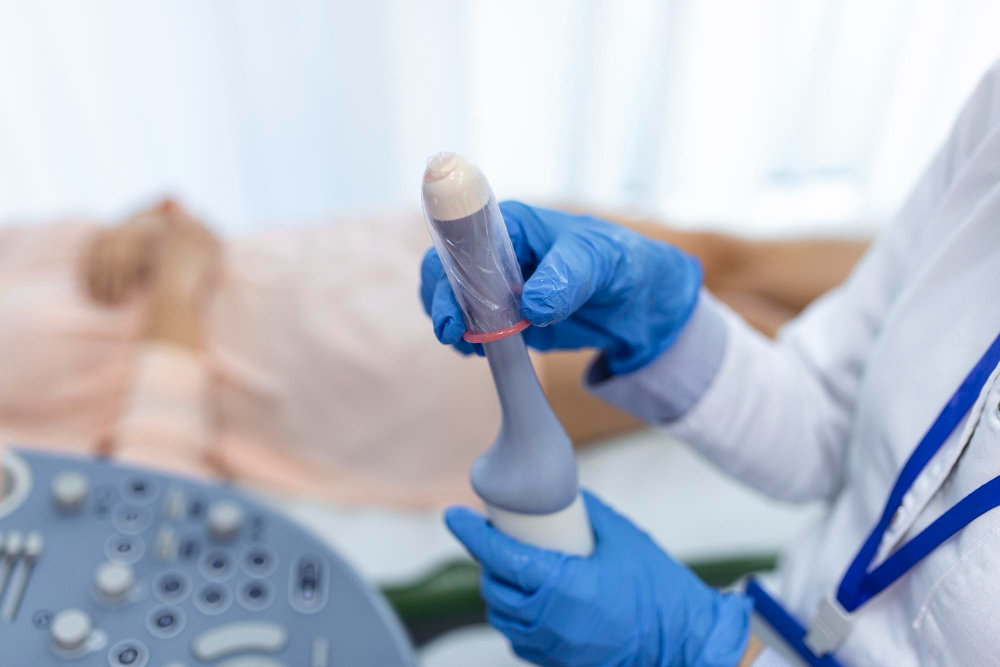
Knowing what to expect from a transvaginal ultrasound can ease your mind. The steps are simple and usually take less than 30 minutes. Here is what usually happens:
Before the test, you may be asked to empty your bladder. This helps get clearer images. If you feel nervous, let the staff know. They can answer questions and help you stay comfortable. Taking slow, deep breaths can also help you relax during the test.
Benefits and Risks
Transvaginal ultrasound offers many benefits. For instance, it gives detailed images of pelvic organs. This helps doctors find problems early. Also, it is safe and does not use radiation. Most women feel only mild discomfort, if any.
However, like any test, there are some risks. You may feel slight pressure or mild pain during the procedure. Rarely, there may be minor bleeding or infection. But these problems are very uncommon. According to the World Health Organization, ultrasound is considered very safe for most people.
After the Procedure
After the test, you can return to normal activities right away. There is no recovery time needed. Sometimes, you may notice a small amount of spotting. This is normal and should stop soon. Your doctor will review the images and explain the results. In most cases, you will get your results within a few days. If you have any pain or heavy bleeding, contact your doctor.
Frequently Asked Questions
Conclusion
In summary, a transvaginal ultrasound is a safe and helpful test. It helps doctors find and treat many women’s health issues. If you have questions or concerns, consult a healthcare provider for personalized advice.