What Is a Breast Ultrasound?
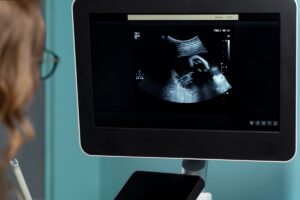
A breast ultrasound is a safe, non-invasive test that uses sound waves to create images of the inside of your breast. Doctors often use this breast imaging method to look for changes or lumps. Unlike X-rays, it does not use radiation. Because of this, it is safe for most people, including pregnant women. Breast ultrasound helps doctors see details that may not show up on a mammogram. For many, it is an important part of breast health care.
When Is a Breast Ultrasound Recommended?
Doctors may suggest a breast ultrasound for several reasons. For example, if you or your doctor feel a lump during a breast exam, this test can help find out what it is. Sometimes, a mammogram shows an area that looks unusual. In that case, a breast ultrasound can give more information. Here are common reasons for recommending this test:
In addition, doctors may use breast ultrasound as part of regular screening for women at higher risk of breast cancer.
What Can a Breast Ultrasound Detect?
Breast ultrasound is helpful for detecting many breast changes. For instance, it can show if a lump is solid or filled with fluid. This helps tell the difference between a cyst and a tumor. Also, it can spot infections or swelling in breast tissue. Here are some things a breast ultrasound can detect:
However, while it is very useful, breast ultrasound cannot always tell if a lump is cancerous. Further tests, like a biopsy, may be needed.
How Is the Procedure Performed?
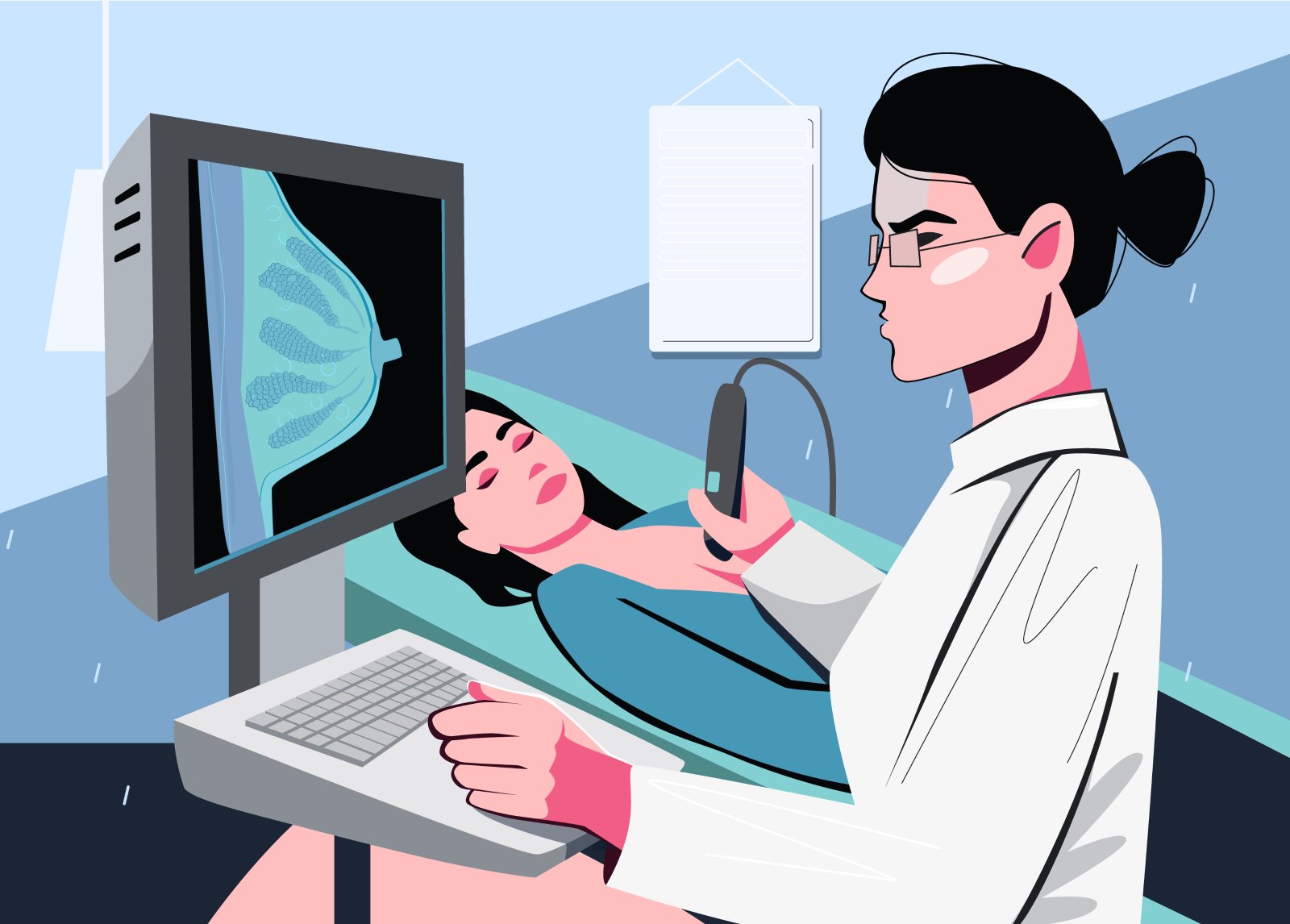
During a breast ultrasound, you will lie on your back or side. A clear gel is placed on your breast. This gel helps the sound waves travel better. Next, a small device called a transducer is moved over your skin. It sends out sound waves and picks up the echoes. These echoes create pictures on a screen. The test usually takes about 15 to 30 minutes. Most people feel no pain, though the gel may feel cold. After the test, you can return to your normal activities right away.
Benefits and Limitations
Breast ultrasound offers many benefits. First, it is safe and does not use radiation. Second, it is quick and painless. Third, it works well for women with dense breast tissue, where mammograms may not show clear images. However, there are some limitations. For example, it may not find very small tumors. Also, it cannot always tell if a lump is cancer. Because of this, doctors may use other tests along with ultrasound.
Frequently Asked Questions
Prevention and Lifestyle Guidance
While breast ultrasound helps detect changes, healthy habits also matter. For example, regular self-exams and routine check-ups can help find problems early. Eating a balanced diet, staying active, and avoiding tobacco are good for overall health. If you notice any new lumps or changes in your breasts, tell your doctor right away. Early detection is key for the best outcomes.
Consult a radiologist or healthcare provider for personalized advice about breast ultrasound.