What Is an MRI Brain Scan?
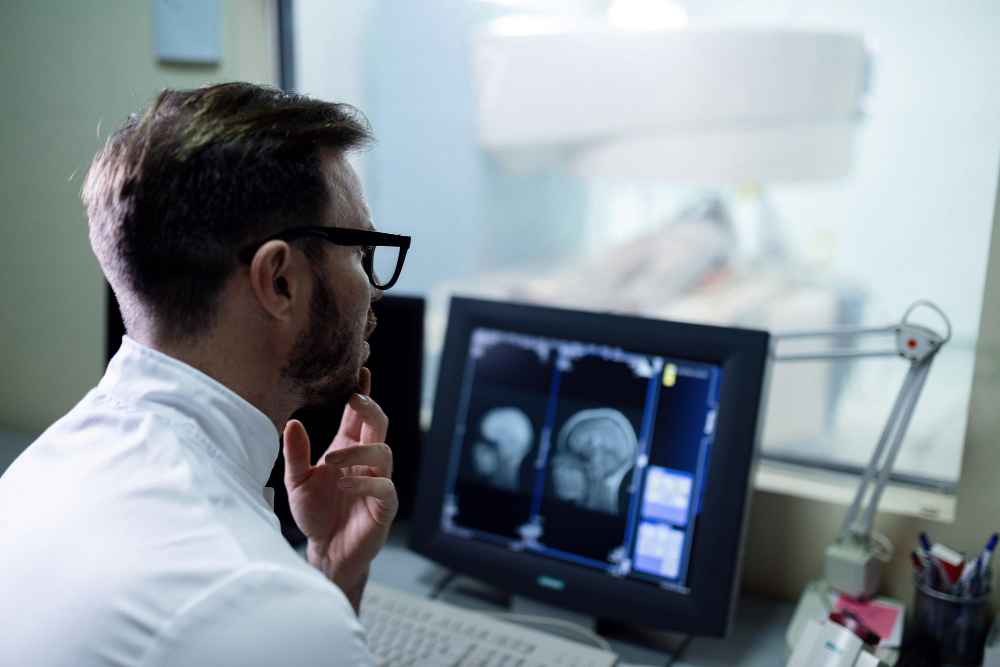
An MRI brain scan is a special test that creates clear pictures of the brain. Doctors use this advanced brain imaging tool to look for problems inside the head. Unlike X-rays, an MRI does not use radiation. Instead, it uses strong magnets and radio waves. Because of this, MRI scans are safe for most people. For many brain conditions, MRI gives more detail than other tests. The World Health Organization notes that MRI is helpful for diagnosing brain conditions with MRI technology.
How Does an MRI Brain Scan Work?
During an MRI brain scan, you lie on a table that slides into a large, tube-shaped machine. The machine uses magnets and radio waves to take pictures of your brain. As a result, doctors can see different parts of the brain in great detail. Sometimes, a special dye called contrast is used. This dye helps highlight certain areas. However, not everyone needs the dye. The process is painless, but the machine can be noisy. For this reason, you may get earplugs or headphones.
Common Reasons Doctors Recommend an MRI Brain Scan
Doctors may suggest an MRI brain scan for many reasons. Often, they want to find out what is causing certain symptoms. In addition, MRI can help track changes in known brain conditions. Here are some common reasons:
According to the CDC, MRI is often used when doctors need more detail than a CT scan can provide. If you wonder, “When is an MRI needed?” these are some of the main reasons.
Symptoms That May Lead to an MRI Brain Scan
Some symptoms can make a doctor think about ordering an MRI. For example, if you have ongoing headaches that do not get better, an MRI for headaches may be suggested. Other symptoms include:
Because these symptoms can be signs of serious brain conditions, doctors use MRI to help find the cause quickly.
What to Expect During the Procedure
Before the scan, you will remove any metal objects, such as jewelry or watches. Next, you will lie on a table that moves into the MRI machine. The scan usually takes 30 to 60 minutes. During this time, you must stay very still. Although the machine makes loud tapping sounds, you will get ear protection. Sometimes, a nurse may give you a contrast dye through a small needle in your arm. This dye helps make the images clearer. After the scan, you can go home right away unless your doctor says otherwise.
Safety and Risks of MRI Brain Scans
For most people, MRI brain scans are very safe. Because MRI does not use radiation, there is no risk from X-rays. However, some people cannot have an MRI. For example, if you have a pacemaker, metal implants, or certain types of clips in your body, you should tell your doctor. Also, some people may feel anxious or claustrophobic inside the machine. In rare cases, the contrast dye may cause an allergic reaction. The National Institutes of Health states that these reactions are uncommon and usually mild.
How to Prepare for an MRI Brain Scan
Before your MRI, your doctor will give you clear instructions. Usually, you can eat and drink as normal. However, if you need a contrast dye, you may be asked not to eat for a few hours. Always tell your doctor about any metal in your body, such as implants or dental work. Additionally, let them know if you are pregnant or breastfeeding. Wear comfortable clothes without metal zippers or buttons. If you feel nervous about the test, ask your doctor about ways to stay calm. Some people listen to music or use breathing exercises during the scan.