
What Is a Contrast MRI?
A contrast MRI is a type of MRI scan that uses a special dye called a contrast agent. This dye helps doctors see certain body parts more clearly. While a regular MRI uses strong magnets and radio waves to take pictures, a contrast MRI adds the dye to make some tissues or problems stand out. For example, doctors may use a contrast MRI to look at blood vessels, tumors, or areas of infection. Because the dye highlights these areas, it can help doctors find health problems sooner.
How Do Contrast Agents Work?
Contrast agents are liquids that are usually injected into a vein before or during the MRI scan. Once inside the body, the agent travels through the blood. As a result, it changes how certain tissues look on the MRI pictures. For instance, healthy and unhealthy tissues may absorb the dye differently. This difference makes it easier for doctors to spot changes or damage. In many cases, the contrast agent helps show details that might not be visible on a regular MRI.
Reasons for Using Contrast Agents in MRI Scans
Doctors choose to use MRI contrast agents for several reasons. Sometimes, they need to see small details that a regular MRI might miss. Other times, they want to check how blood flows through certain areas. Here are some common reasons why contrast is used in MRI scans:
Because contrast MRI scans can show these details, they help doctors make better decisions about treatment.
Common Types of Contrast Agents
There are different types of MRI contrast agents. Most often, doctors use a type called gadolinium-based contrast agents. Gadolinium is a rare metal that is safe for most people in small amounts. Sometimes, other agents are used if a person cannot have gadolinium. For example, people with certain allergies or kidney problems may need a different type. However, your doctor will choose the safest option for you.
Because each agent works in a unique way, doctors select the best one based on your health needs.
Safety and Side Effects of Contrast Agents
Most people have no problems with MRI contrast agents. However, as with any medicine, side effects can happen. Usually, these side effects are mild and go away quickly. For example, you might feel warm or have a metallic taste for a short time. Rarely, some people may have an allergic reaction. For this reason, always tell your doctor if you have allergies or kidney problems. The World Health Organization and other health groups say that MRI contrast agents are safe for most people. Still, your doctor will check your health before giving you the agent.
Because safety is important, doctors watch you closely during and after the scan.
What to Expect During a Contrast MRI
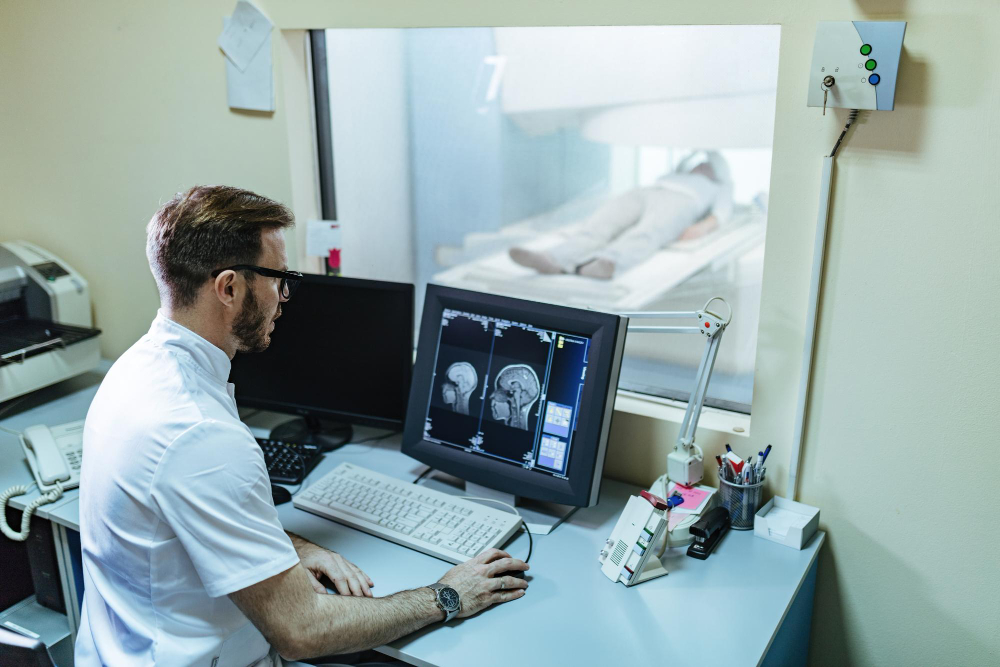
Before your MRI scan with contrast, a nurse or doctor will ask about your health and allergies. Next, they will place a small needle in your arm for the contrast agent. During the scan, you will lie still inside the MRI machine. The machine makes loud noises, but you will get earplugs or headphones. After the contrast agent is given, the scan continues. In most cases, the whole process takes about 30 to 60 minutes. After the scan, you can usually go home right away. If you feel any side effects, let the staff know. Most people feel fine after a contrast MRI and can return to their normal activities.