What is a TVS Scan?
A TVS scan, also called a transvaginal ultrasound, is a type of pelvic imaging. Doctors use this gynecological scan to look at a woman’s uterus, ovaries, and other pelvic organs. Unlike an abdominal ultrasound, a TVS scan uses a small probe placed inside the vagina. This method gives clearer pictures of the pelvic area. Because of this, it helps doctors find problems early. Many women have this scan for different reasons, such as checking for pain or unusual bleeding.
When is a TVS Scan Recommended?
Doctors may suggest a TVS scan in several situations. For example, it is often used when a woman has:
In many cases, a TVS scan helps doctors get a closer look when other tests are not clear. Sometimes, it is part of routine checks during pregnancy or after menopause. If you live in a city with advanced clinics, you may hear about TVS scan in [City/Region] as a common option.
Why is a TVS Scan Important?
TVS scans are important for several reasons. First, they provide detailed images of pelvic organs. This helps doctors spot small changes that other scans might miss. Also, TVS scans can:
Because TVS scans are quick and accurate, they are often the first choice for pelvic imaging. According to the World Health Organization, early detection leads to better outcomes for many women’s health issues.
How is a TVS Scan Performed?
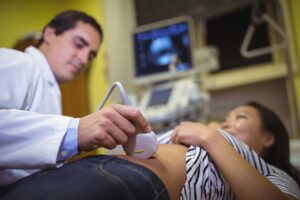
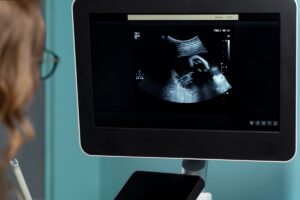
During a TVS scan procedure, you will lie on an exam table. The doctor or technician will cover a thin probe with a special gel and a protective cover. Then, they gently insert the probe into the vagina. This may feel a bit uncomfortable, but it should not hurt. The probe sends out sound waves, which create images on a screen. The whole process usually takes about 15 to 30 minutes. After the scan, you can go home right away.
What to Expect During and After the Procedure
Before the scan, you may be asked to empty your bladder. This helps get clearer images. During the scan, you might feel slight pressure, but most women find it easy to tolerate. After the scan, you can return to your normal activities. There is no recovery time needed. If you have any discomfort, it usually goes away quickly. For most women, the TVS scan is a simple and safe experience.
Safety and Risks of TVS Scan
TVS scans are very safe. They use sound waves, not radiation, so there is no risk of exposure. Most women do not have any side effects. However, a few may feel mild discomfort during the scan. Rarely, there may be slight spotting after the procedure. If you have allergies to latex, tell your doctor before the scan. Overall, the benefits of a TVS scan far outweigh the risks. The Centers for Disease Control and Prevention (CDC) and other health groups consider it a safe tool for women’s health.
Frequently Asked Questions (FAQs)
For more details, you can visit trusted sources like the World Health Organization or the CDC.
Consult a healthcare specialist for personalized advice about TVS scans.