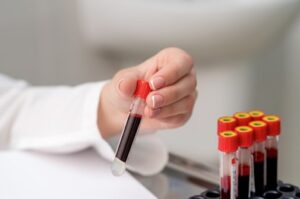
The RT-PCR Test is a key tool for detecting certain viruses, including COVID-19. This test helps doctors find out if someone is infected. Because it is fast and accurate, the RT-PCR Test has become very important in public health. In this blog, you will learn what the RT-PCR Test is, why it matters, how it is done, and when you might need one.
What is an RT-PCR Test?
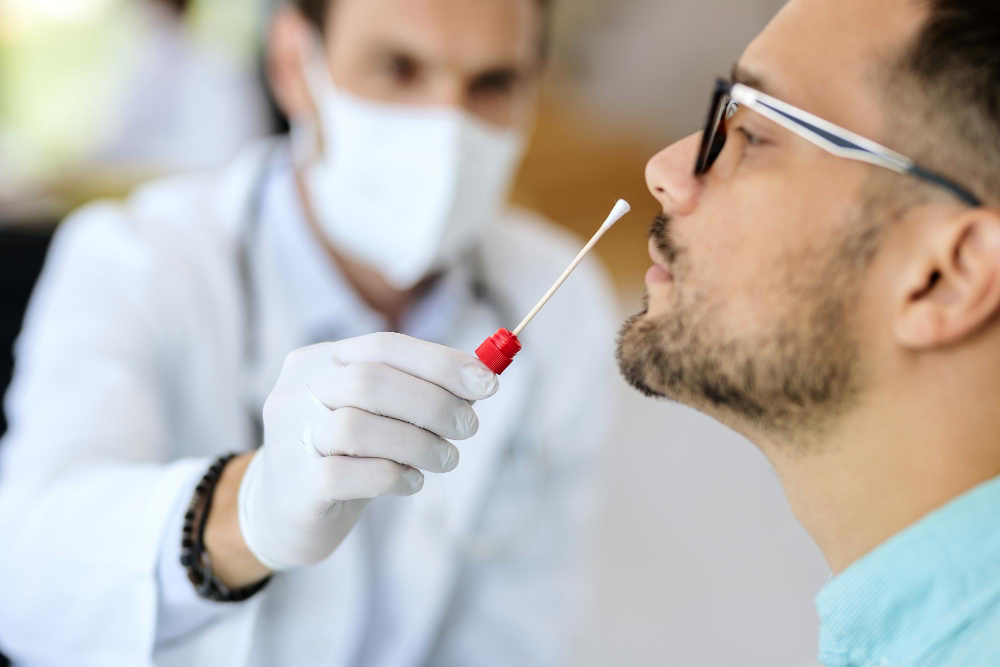
RT-PCR stands for Reverse Transcription Polymerase Chain Reaction. Although the name sounds complex, the idea is simple. This test looks for the genetic material of a virus in your body. For example, if you have COVID-19, the RT-PCR Test can find the virus’s RNA in your nose or throat. Because it checks for the virus itself, it can show if you are currently infected.
Why is the RT-PCR Test Important?
First, the RT-PCR Test helps doctors quickly find out if someone has a virus. This is very important for stopping the spread of diseases like COVID-19. Also, the test is used to confirm cases in hospitals, clinics, and during outbreaks. Because it is very sensitive, it can detect even small amounts of virus. As a result, it is trusted by health experts worldwide.
How is the RT-PCR Test Performed?
The RT-PCR Test is simple and safe. Here is how it usually works:
In the lab, experts use special machines to look for the virus’s genetic material. If the virus is present, the test will show a positive result.
Accuracy and Reliability of RT-PCR Tests
RT-PCR Tests are known for their high accuracy. According to the World Health Organization (WHO), these tests can detect the virus even when only a small amount is present. For COVID-19, studies show that RT-PCR Tests have a sensitivity of about 95% and a specificity of over 99% (CDC, 2023). This means they rarely miss cases and almost never give false positives. However, timing matters. If you get tested too early or too late, the virus may not be found. Still, RT-PCR is the gold standard for virus detection.
When Should You Get an RT-PCR Test?
There are several reasons to get an RT-PCR Test. You may need one if you:
Because the test can detect infection early, it helps protect you and others.
What to Expect: Before, During, and After the Test
Frequently Asked Questions about RT-PCR Tests
Conclusion and Next Steps
In summary, the RT-PCR Test is a safe and accurate way to detect viruses like COVID-19. It helps doctors find infections early and stop the spread. If you have symptoms or have been exposed, getting tested is a smart choice. Always follow the advice of your healthcare provider for the best care.
Consult a healthcare provider for personalized advice about RT-PCR testing.