Introduction
Infertility means not being able to get pregnant after trying for a year or more. Many couples face this challenge. Early evaluation is important. Ultrasound for infertility evaluation is a key tool. It helps doctors find the causes and plan the best treatment. Because it is safe and painless, many people feel comfortable with this test. In this blog, you will learn how ultrasound supports infertility diagnosis and treatment.
What is Ultrasound?
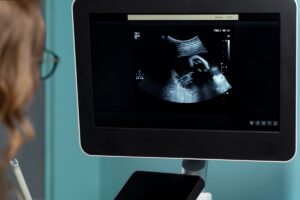
Ultrasound is a medical test that uses sound waves to create pictures of the inside of the body. These sound waves are safe and cannot be heard by people. Doctors use a small device called a probe. This probe sends sound waves into the body and collects the echoes. Then, a computer turns these echoes into images. As a result, doctors can see organs and tissues clearly.
How Ultrasound Helps Diagnose Infertility
Ultrasound for infertility evaluation gives doctors important information. It helps them look at the uterus, ovaries, and other pelvic organs. For example, doctors can check for:
Because ultrasound shows real-time images, doctors can spot issues quickly. This helps them decide what tests or treatments are needed next. According to the World Health Organization (WHO), ultrasound is a standard part of infertility diagnosis.
The Ultrasound Procedure: What to Expect
Many people feel nervous before a medical test. However, ultrasound is simple and painless. Here is what you can expect:
Because the procedure is quick, most visits take less than 30 minutes.
Benefits of Ultrasound in Infertility Evaluation
Ultrasound for infertility evaluation offers many benefits. For instance:
Because of these benefits, ultrasound is often the first test used in infertility diagnosis.
How Ultrasound Guides Treatment Decisions
Ultrasound does more than diagnose problems. It also helps guide treatment. For example, doctors use ultrasound to:
Because ultrasound gives real-time images, doctors can adjust treatments for the best results. This improves the chances of success.
Safety and Limitations
Ultrasound is very safe. It does not use harmful radiation. Most people have no side effects. However, ultrasound cannot find every cause of infertility. For example, it may not show tiny problems inside the fallopian tubes. Sometimes, other tests are needed for a full diagnosis. Still, ultrasound remains a key first step.
Prevention and Lifestyle Tips
While ultrasound helps with diagnosis, healthy habits can support fertility. For instance:
Because early action can help, talk to your doctor if you have trouble getting pregnant.
Conclusion
In summary, ultrasound for infertility evaluation is a safe and helpful tool. It supports both diagnosis and treatment. If you are facing infertility, do not wait. Consult a specialist for personalized guidance.