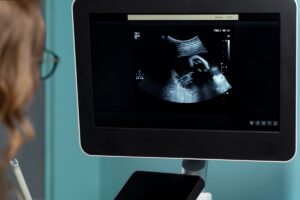

What is Musculoskeletal Ultrasound?
Musculoskeletal ultrasound is a safe, non-invasive imaging test. Doctors use it to look at joints, muscles, tendons, and ligaments. This test uses sound waves to create pictures of the inside of your body. Unlike X-rays, it does not use radiation. Because of this, it is safe for most people, including children and pregnant women. Many people choose musculoskeletal ultrasound for joint pain diagnosis and soft tissue injuries.
Common Joint and Soft Tissue Issues Diagnosed
Doctors use musculoskeletal ultrasound to find many problems. For example, it helps spot:
Because it is quick and painless, doctors often use ultrasound for soft tissue injuries and joint pain diagnosis.
How the Procedure Works
First, a trained specialist called a radiologist or sonographer performs the test. Next, they apply a small amount of gel to your skin. Then, they move a handheld device, called a transducer, over the area. This device sends sound waves into your body. The waves bounce back and create images on a screen. As a result, doctors can see your joints and soft tissues in real time. Sometimes, they may ask you to move your joint during the test to see how it works.
Benefits of Musculoskeletal Ultrasound
There are many reasons why doctors recommend this test. Some key benefits include:
Because of these radiology ultrasound benefits, many people search for “musculoskeletal ultrasound near me” when they need joint or soft tissue imaging.
What to Expect During the Test
Usually, you do not need to prepare much for this test. However, you may need to wear loose clothing. During the test, you will lie or sit comfortably. The specialist will apply gel and move the transducer over your skin. You may feel slight pressure, but it should not hurt. The test is painless and has no side effects. Afterward, you can return to your normal activities right away.
Limitations and Considerations
Although musculoskeletal ultrasound is helpful, it has some limits. For example, it may not show deep bone problems as well as MRI or CT scans. Also, the quality of the images depends on the skill of the person doing the test. In some cases, your doctor may suggest other tests for a complete diagnosis. Even so, ultrasound remains a top choice for many joint and soft tissue concerns.
Prevention and Lifestyle Tips
While imaging helps diagnose problems, you can also take steps to protect your joints and soft tissues. Consider these tips:
By following these steps, you can help prevent injuries and keep your joints healthy.
If you have joint or soft tissue concerns, consult a radiology specialist to learn if musculoskeletal ultrasound is right for you.