What Is Mammography?
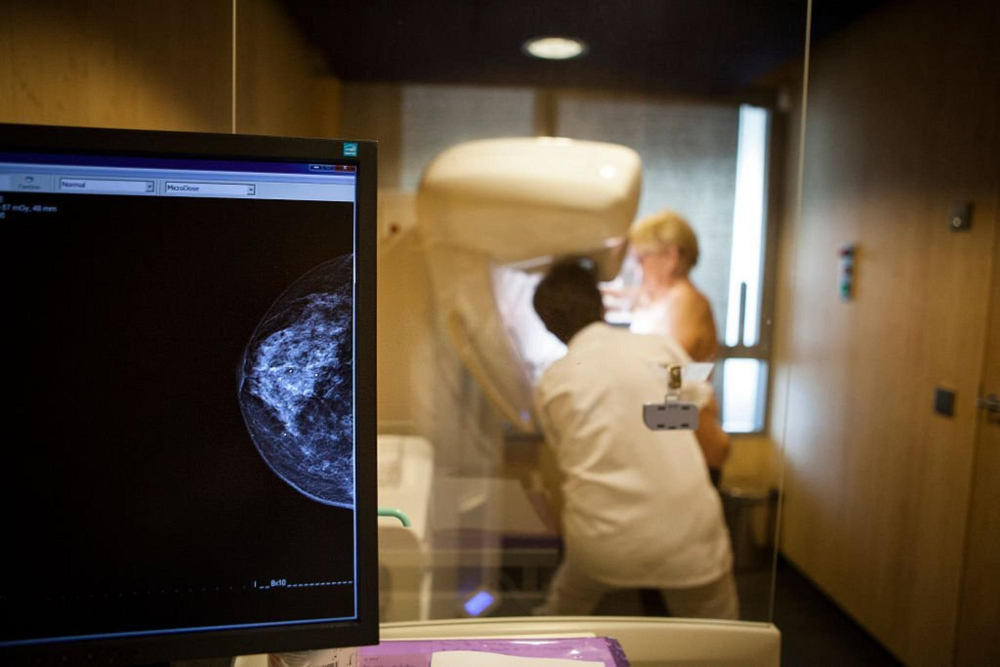
Mammography is a special X-ray test that helps doctors look for early signs of breast cancer. This screening tool can find changes in breast tissue before you feel a lump. Because mammography can spot problems early, it is a key part of women’s health care. According to the CDC, regular mammograms can lower the risk of dying from breast cancer. Many women get mammograms as part of routine breast cancer screening.
Who Needs Mammography?
Most women over a certain age should have mammograms. However, some people may need them earlier. Here are some groups who may need mammography:
For some, doctors may suggest starting screening earlier or having more frequent tests. Always talk with your health care provider about your personal risk factors.
When to Start Mammography?
Guidelines for when to start mammography can vary. Still, most expert groups agree on some basics. For example, the American Cancer Society suggests women with average risk start yearly mammograms at age 45. Some may choose to start as early as age 40. After age 55, women may switch to every two years. If you have higher risk, your doctor may recommend starting earlier or screening more often. Because recommendations can change, check with your provider for advice that fits your needs.
What to Expect During a Mammogram
Many people feel nervous before their first mammogram. However, knowing what to expect can help you feel more at ease. Here is what usually happens:
While the pressure may feel uncomfortable, it should not last long. If you have concerns, let the technologist know before the test begins.
Benefits and Potential Risks of Mammography
Mammography offers many benefits. Most importantly, it can find breast cancer early, when it is easier to treat. Early detection can save lives. Also, regular screening can give you peace of mind. However, there are some risks to consider. For example, mammograms use a small amount of radiation. The risk from this is very low. Sometimes, mammograms may show a spot that is not cancer, which can lead to more tests. Rarely, mammograms may miss a cancer. Still, experts agree that the benefits outweigh the risks for most women.
How to Prepare for Your First Mammogram
Preparing for a mammogram can help make the process smoother. Here are some tips:
Because every person is different, talk with your doctor if you have special concerns or questions about your mammogram.