What is a Viability Scan?
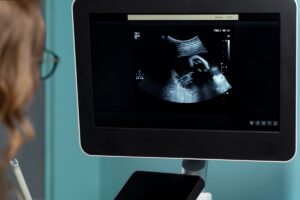
A viability scan is an early pregnancy ultrasound. It checks if a pregnancy is developing as expected. Usually, doctors do this scan in the first trimester. During the scan, they look for signs that the pregnancy is healthy. For example, they check for a heartbeat and measure the baby’s size. This scan gives important information to both parents and doctors.
Why is a Viability Scan Important?
For many parents, the first weeks of pregnancy can bring questions. A viability scan helps answer some of these. It can:
Because of these reasons, a viability scan is an important first step in pregnancy care.
When is a Viability Scan Performed?
Usually, doctors suggest a viability scan between 6 and 10 weeks of pregnancy. However, sometimes it is done earlier or later. For instance, if you have pain, bleeding, or a history of pregnancy problems, your doctor may recommend it sooner. In some cases, people search for a “viability scan near me” if they want quick answers or reassurance.
How is a Viability Scan Done? (Procedure)
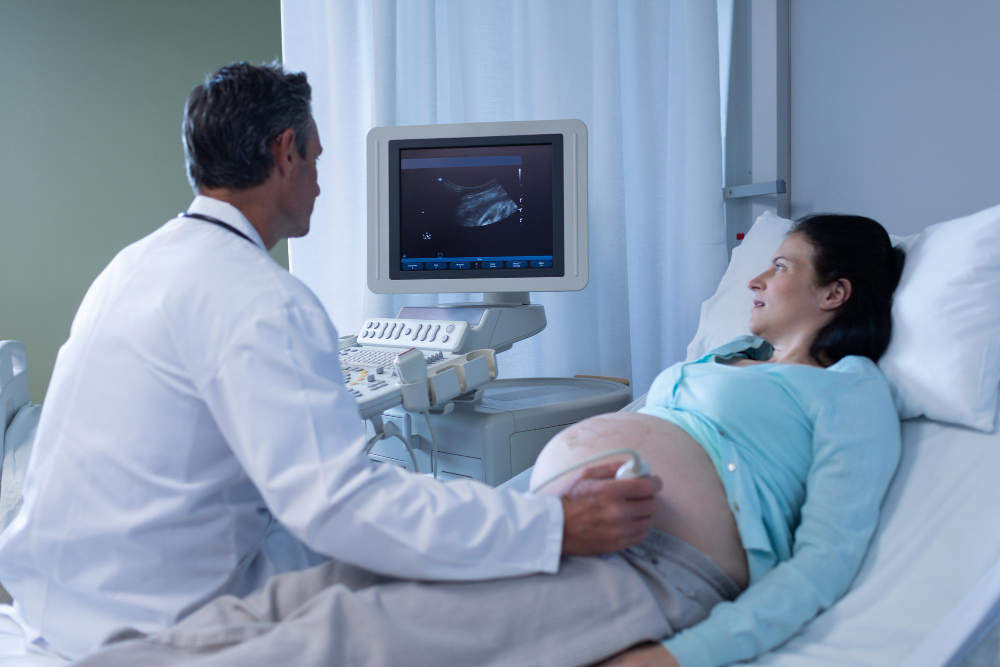
Most viability scans use ultrasound. This is a safe test that uses sound waves to create pictures. There are two main ways to do the scan:
Usually, the scan takes about 10 to 20 minutes. You may be asked to have a full bladder for a clearer picture. The process is safe for both you and your baby.
What to Expect During and After the Scan
Before the scan, you may need to drink water. This helps the doctor see better. During the scan, you might feel slight pressure, but it should not hurt. The doctor or technician will explain what they see on the screen. After the scan, you can return to normal activities right away. If you have questions, ask your doctor before you leave. Often, you will get a report or images to take home.
Benefits and Limitations of a Viability Scan
Viability scans offer many benefits, but they also have some limits. Here are some key points:
Even though the scan is helpful, it is only one part of pregnancy care.
Frequently Asked Questions about Viability Scans
For more details or personal advice, consult a qualified radiologist or healthcare provider about viability scans.